Why take this course?
OOS results are rarely isolated laboratory events. They test how assumptions are made, how evidence is interpreted, and whether the quality system can respond when a result falls outside expectations. In many investigations, retesting starts early, possible causes are narrowed too soon, and the review structure masks weak scientific reasoning. Those weaknesses matter because FDA scrutiny is centered not only on whether an investigation was completed, but on how each decision was made.
This program focuses on the investigation pathway from the initial result through cause evaluation and final documentation. It examines how laboratory findings, process signals, and quality indicators should be weighed, and where overlooked inconsistencies or undocumented assumptions begin to weaken the credibility of the outcome. Attention is placed on recognizing when an inquiry should remain limited and when it needs to move beyond the laboratory.
Key Areas Covered
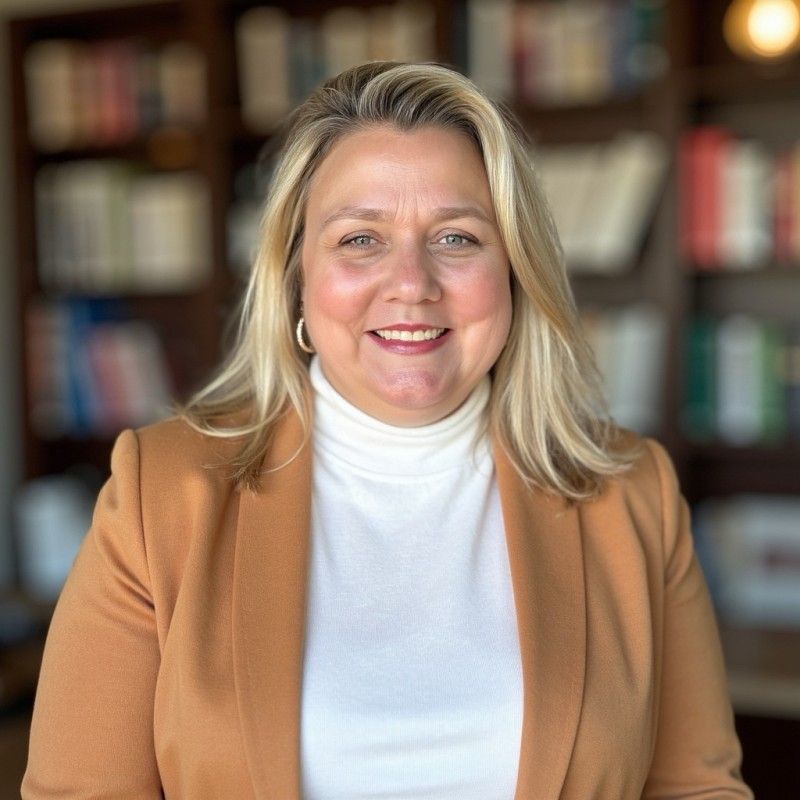
Meredith Crabtree
Meredith Crabtree has over 30 years of experience across regulated industries including laboratory, pharma, medical device, packaging, labeling, and distribution operations. As a quality consultant supporting regulatory assessments, quality training, third-party inspections, consent decree work, and recall support, her background aligns directly with investigation discipline, documentation quality, and inspection-facing decision-making in OOS situations.
Your TalkFDA Webinar Experience
1. Confirmation
3. Join the Live Training
4. Watch Again Anytime
Testimonials
Ready to Strengthen Your Team? Let’s Build Your Training Plan.
Your team deserves the clarity.
Your organization deserves the confidence.
Upcoming Courses
Featured Courses