Environmental Monitoring Programs
Development, Implementation, and Evolving FDA Expectations for Controlled Environments
Why take this course?
Environmental monitoring programs are often established, documented, and routinely executed, yet under regulatory review, questions persist around whether they reflect actual contamination risk within controlled environments. Many programs emphasize data collection and predefined limits, while gaps remain in how trends are interpreted, how sampling strategies are reassessed, and how environmental signals are connected to product and process impact. These gaps become visible when monitoring outputs do not fully support decision-making.
This program examines environmental monitoring from design through ongoing use. It focuses on how assumptions shape initial program setup, how sampling locations, frequencies, and limits should be evaluated over time, and how data is interpreted beyond routine reporting. Attention is given to handling excursions, linking findings to investigations, and maintaining program effectiveness as facilities, operations, and risk profiles evolve under current regulatory expectations.
Key Areas Covered
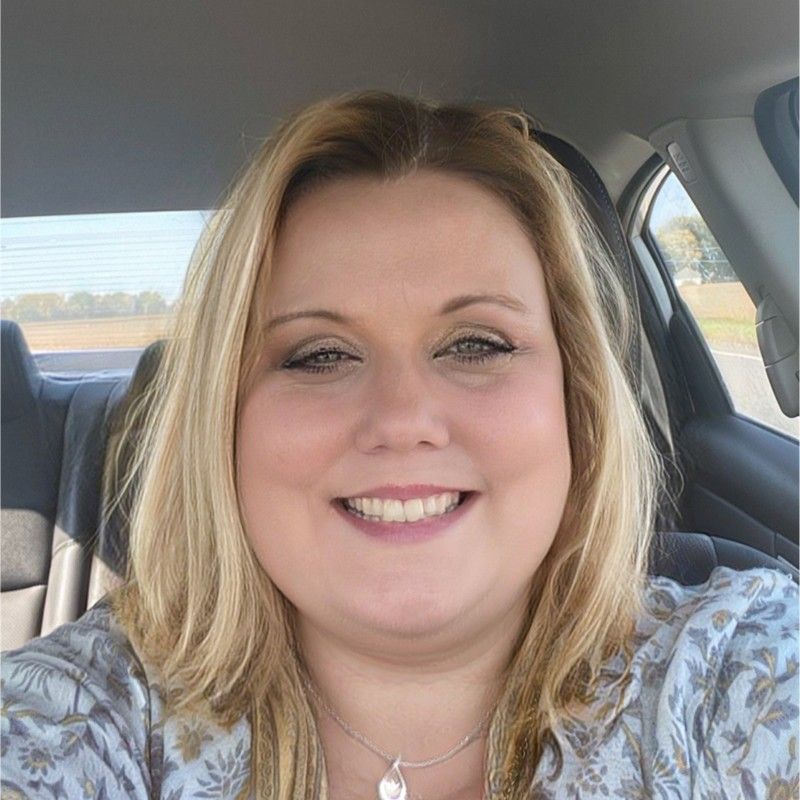
Meredith Crabtree
Meredith Crabtree has over 30 years of experience across regulated industries including laboratory, pharmaceutical, and manufacturing operations. Her work in regulatory assessments, inspections, and quality training aligns with evaluating environmental monitoring programs, contamination control practices, and how monitoring data supports inspection-facing decisions within controlled environments.
Ready to Strengthen Your Team? Let’s Build Your Training Plan.
Your team deserves the clarity.
Your organization deserves the confidence.
Upcoming Courses
Your TalkFDA Webinar Experience
1. Confirmation
3. Join the Live Training
4. Watch Again Anytime
Testimonials
Featured Courses