Featured EU & Global Regulatory Training Courses
Build practical knowledge of European and international regulatory requirements with TalkFDA courses covering EU regulations, global regulatory strategy, ICH guidelines, pharmaceutical and medical device requirements, and regulatory compliance.
EU & Global Regulatory Training
Regulatory requirements vary across regions, but many pharmaceutical, biotechnology, medical device and life sciences organizations operate across multiple markets. Understanding how European, UK and international regulatory frameworks work together is essential for professionals involved in regulatory affairs, quality, compliance, submissions and product development.
TalkFDA's EU & Global Regulatory Training covers key regulatory concepts, authorities, guidelines and compliance expectations across major international markets. Learn about EU regulatory requirements, EMA and MHRA expectations, EU MDR, ICH guidelines, global submissions and other topics that support effective regulatory decision-making.
Explore courses designed to help professionals understand regulatory requirements and apply them to their day-to-day responsibilities.
-
EU Regulatory Affairs & Strategy
-
EMA & Pharmaceutical Regulation
-
EU MDR & Medical Devices
-
ICH Guidelines & Harmonization
-
UK & MHRA Requirements
-
Global Regulatory Compliance
Featured EU & Global Regulatory Training Courses
Who should take EU & Global Regulatory Training?
EU and global regulatory knowledge is valuable for professionals who work with products, processes, documentation or compliance requirements across multiple markets. These courses can help professionals understand regulatory expectations and make better-informed decisions in their roles.
-
Regulatory Affairs professionals managing European or international requirements
-
Quality Assurance and Regulatory Compliance professionals
-
Pharmaceutical and biotechnology professionals
-
Medical device professionals working with EU MDR and international requirements
-
Professionals involved in regulatory submissions and product registration
-
Clinical and GxP professionals working with international requirements
-
Consultants, auditors and compliance professionals
-
Managers responsible for regulatory or quality activities
What you get
TalkFDA courses are designed to give you practical, expert-led learning that you can apply to your work. Most recorded courses include the webinar recording, presentation PDF and an assessment. Selected programs may also include additional handouts, templates, tools or other learning resources.
How to use this hub
Use the training areas and course catalogue to explore programs that match your current requirements. Select a course to review its topic coverage, intended audience, faculty, duration and available learning options before deciding whether it is the right fit for you.
Find the right course fast
Explore TalkFDA's EU and global regulatory training catalogue and choose a course that matches your current learning or compliance needs. Each course page provides the details you need to decide whether the program is right for you.
What EU & Global Regulatory Training Can Cover
EU and international regulatory requirements span multiple authorities, regulations and guidelines. TalkFDA courses cover practical topics that help professionals understand regulatory expectations, navigate requirements and support compliant product development, submissions and quality activities across global markets.
EU Regulatory Affairs & Strategy
Understand European regulatory frameworks, regulatory pathways, submissions and strategic considerations for pharmaceutical, biotechnology and life sciences products.
EMA & European Pharmaceutical Regulation
Explore European pharmaceutical regulatory requirements, EMA processes, regulatory expectations and key considerations for product development and compliance.
EU Medical Device Regulation
Learn about EU MDR requirements, medical device compliance, technical documentation, regulatory pathways and related quality and regulatory responsibilities.
ICH Guidelines & Global Harmonization
Understand how ICH guidelines support harmonized approaches to pharmaceutical development, quality, safety, efficacy and regulatory submissions.
UK & MHRA Regulatory Requirements
Build an understanding of UK regulatory requirements and MHRA expectations relevant to pharmaceutical, medical device and life sciences professionals.
Global Regulatory Compliance
Explore regulatory requirements across international markets and develop a broader understanding of global submissions, compliance and regulatory strategy.
FAQ
What does EU and global regulatory training cover?
Which EU regulations should pharmaceutical professionals understand?
What is the difference between EMA and national European regulatory authorities?
What should I know about EU MDR if I work in medical devices?
Why are ICH guidelines important for global regulatory work?
What regulatory training is useful for professionals working on global submissions?
Is EU regulatory training useful if I work outside Europe?
Who should take EU regulatory training?
How do I choose the right EU regulatory training course?
What is the difference between EU MDR and IVDR?
- MDR (Regulation (EU) 2023/607): 31 December 2027 for Class III and implantable Class IIb devices, and 31 December 2028 for other legacy devices (including Class IIa and other Class IIb).
- IVDR (Regulation (EU) 2024/1860): 31 December 2027 for Class D, 31 December 2028 for Class C, and 31 December 2029 for Class B and sterile Class A.
What is the difference between EU and FDA regulatory requirements?
What is a Marketing Authorisation Application (MAA) and how does it work in the EU?
What changed with the EU Clinical Trials Regulation and CTIS?
What is included with a TalkFDA recorded course?
Are TalkFDA courses live or recorded?
Can I take a recorded course after the live program has ended?
Get FDA training updates
Thanks. Please check your inbox to confirm your subscription.

TalkFDA Affiliate Program — Terms & Conditions
1. Joining the Program
- By registering, you agree to these terms.
- Approval of applications is at TalkFDA’s sole discretion.
2. Affiliate Commissions
- Commission Rate: 20% of net sales (after refunds/discounts).
- Commission applies to initial purchase and recurring renewals.
- Payments are made monthly via [payment method] after a 30-day refund period.
3. Tracking & Attribution
- Tracking is done via unique Affiliate IDs.
- Last-click attribution is used (the most recent affiliate link gets credit).
- TalkFDA is not responsible for untracked sales caused by ad blockers, browser issues, or customer error.
4. Prohibited Practices
Affiliates must not:
- Use spam, fake accounts, bots, or misleading claims.
- Misrepresent TalkFDA’s services or guarantees.
- Bid on TalkFDA’s name, brand, or trademarks in paid search ads without prior permission.
- Self-refer (you can’t earn commission from your own purchases).
5. Promotion Guidelines
- Affiliates may promote via websites, blogs, social media, email lists (opt-in only).
- Promotion must be professional and respectful to TalkFDA’s reputation.
- Certain content (adult, hate speech, political, illegal) is strictly prohibited.
6. Termination
- TalkFDA reserves the right to suspend or terminate an affiliate account for any breach of these terms, or if the affiliate’s activity harms TalkFDA’s reputation.
- Any unpaid commissions may be forfeited if termination is due to violation of terms.
7. Liability
- Affiliates act as independent promoters and are not employees of TalkFDA.
- TalkFDA is not liable for indirect, special, or consequential damages related to the program.
8. Changes to the Program
- TalkFDA may update commission rates, terms, or program rules at any time.
- Affiliates will be notified of changes by email or via the Affiliate Dashboard.
9. Governing Law
- These terms are governed by the laws of Canada.
Credit Card required to activate Trial.
You won’t be charged unless you choose to continue after the trial period.
Welcome to TalkFDA Learning
Thank you for your purchase!
Some emails from TalkFDA may be filtered by company email systems.
- Please check the Inbox inside My Space (top right corner).
- Add @talkfda.com to your safe sender list.
Access & Support Information
-
Please check your Spam / Junk folder if you don’t receive emails shortly after purchase.
-
In some organizations, emails may be quarantined by IT security systems — you may need to contact your IT team.
-
We recommend adding @talkfda.com to your Safe Senders / Allow List.
Your TalkFDA Webinar Experience
1. Confirmation
3. Join the Live Training
4. Watch Again Anytime
Everything related to your webinar: access, materials, playback, and certification — lives in one place.
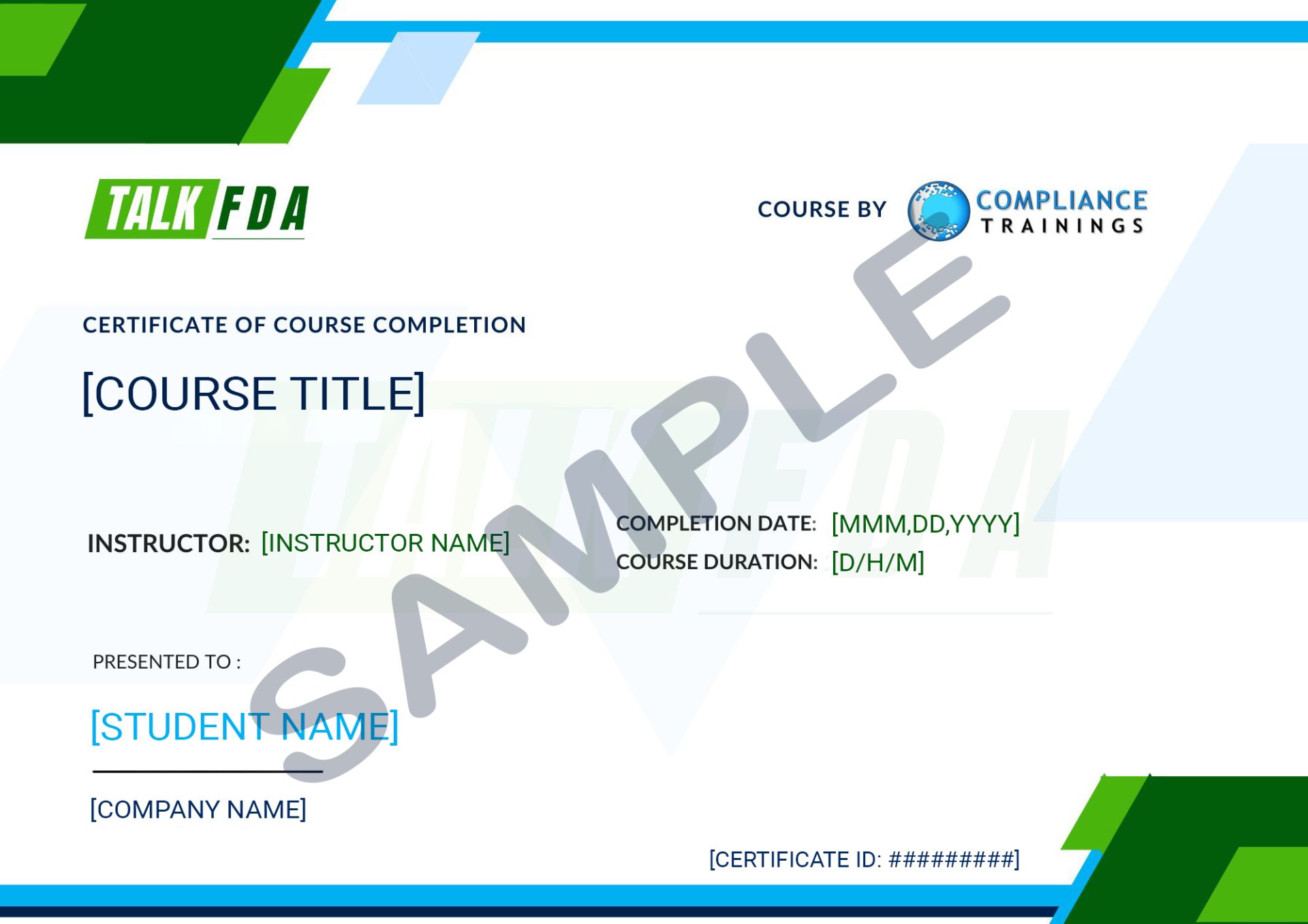
This course will be available to watch as soon as registration is completed.