Why take this course?
Digital documentation is becoming increasingly important as medical device organizations manage FDA and EU regulatory requirements across global markets. Electronic versions of Design History Files (DHF), Design and Development Files, Device Master Records (DMR), Device History Records (DHR), batch records, and EU MDR Technical Documentation can improve documentation accuracy, simplify revisions, reduce implementation delays, and decrease opportunities for human error while preserving data integrity. As documentation expands throughout the product lifecycle, maintaining consistency, accessibility, and regulatory accuracy becomes a growing operational priority.
This webinar examines how digital documentation supports FDA and EU GMP expectations while addressing the distinct purposes and relationships among DHF, DMR, DHR, Design and Development Files, and EU MDR Technical Documentation. Participants will evaluate documentation structures, required contents, version control, change management, audit considerations, and the differing inspection approaches used by FDA and EU Notified Bodies, together with the practical advantages and limitations of replacing legacy paper-based systems.
Key Areas Covered
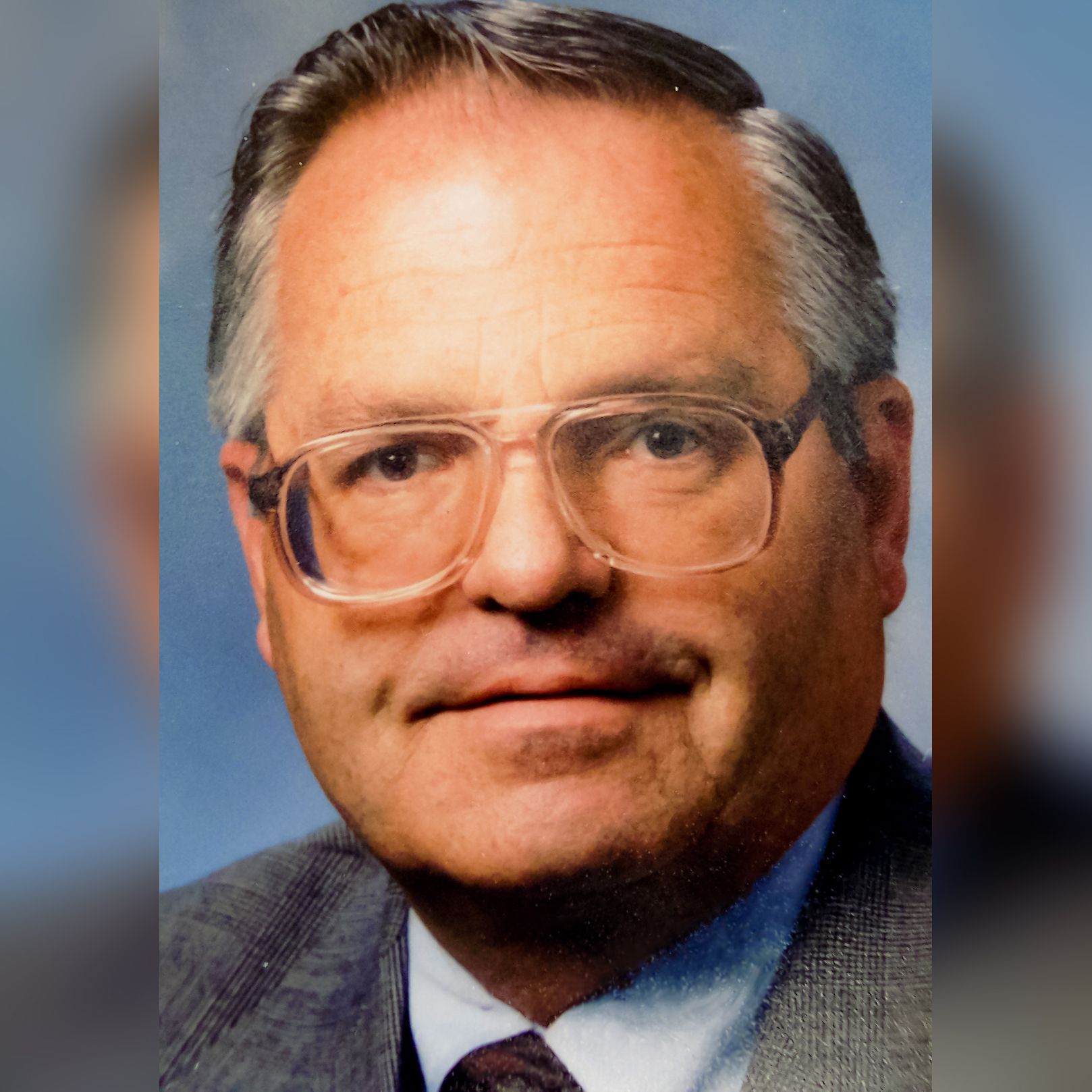
John E. Lincoln
John E. Lincoln has more than 40 years of experience supporting FDA-regulated industries, specializing in quality assurance, regulatory affairs, Design Control, Design History Files, Technical Files, software validation, and quality system remediation. His experience with FDA and international regulatory documentation directly supports organizations implementing digital documentation while maintaining compliance across global medical device requirements.
Commonly Asked Questions About This Subject
How can an organization demonstrate that electronic GMP documentation has improved data integrity rather than simply replacing paper?
The strongest evidence comes from measurable improvements in process control, not from the technology itself. During inspections, reviewers often move quickly past discussions about software capabilities and examine whether documentation errors, version confusion, approval delays, and incomplete records have actually been reduced.
Inspection friction develops when organizations justify digital implementation primarily on efficiency, accessibility, or paper reduction. Those benefits have limited value if deviations continue to involve uncontrolled revisions, incorrect document use, incomplete approvals, or inconsistent records.
Evidence that carries weight includes documented reductions in documentation errors, improved traceability of changes, faster implementation of approved revisions, controlled user access, reliable audit histories, and objective metrics showing that personnel consistently work from current approved documents.
Digital systems become much easier to defend when they clearly strengthen document governance rather than simply changing the storage medium.
What documentation weakness becomes most visible after multiple engineering or design changes have accumulated over several years?
A documentation concern emerges when individual changes appear properly controlled but the overall documentation set gradually loses internal consistency. Each revision may have been approved correctly, yet related records no longer align with one another.
Inspectors often discover conflicting specifications, outdated references, inconsistent risk analyses, obsolete drawings, disconnected validation evidence, or manufacturing instructions that no longer reflect the approved design. These inconsistencies usually develop incrementally rather than through a single major failure.
The resulting rework can be extensive because teams must determine which records remain authoritative before evaluating compliance or implementing additional changes.
Well-controlled documentation systems periodically assess the complete document structure rather than reviewing each change in isolation. That broader evaluation helps identify cumulative inconsistencies before they affect manufacturing, regulatory submissions, inspections, or product modifications.
How should organizations decide whether documentation should remain connected across FDA and EU regulatory requirements or be managed independently?
A practical decision point involves balancing efficiency against regulatory clarity. Excessive separation often creates duplicate work and inconsistent information, while excessive integration can make region-specific requirements difficult to identify and maintain.
Reviewers generally examine whether supporting evidence remains coherent regardless of how documentation is organized. Questions frequently arise when one design change requires updates across several document types but related records are revised at different times or by different functions.
Documentation becomes difficult to defend when teams cannot clearly demonstrate how changes propagate throughout the complete documentation structure. Manual cross-checking often introduces delays and increases the likelihood of overlooked updates.
Well-designed documentation systems establish traceable relationships between connected records while preserving the distinct regulatory purpose of each document. That structure supports consistency without eliminating the differences required by individual regulatory frameworks.
What governance issue is commonly overlooked when organizations migrate long-established paper documentation into electronic systems?
An operational failure point frequently appears when paper processes are transferred into electronic platforms with minimal redesign. Existing approval paths, review practices, responsibilities, and document structures are often replicated even though digital workflows create new capabilities and new risks.
Inspection concerns arise when legacy habits continue within electronic systems. Personnel may bypass workflow controls, create unofficial copies, rely on exported documents, or maintain parallel records outside the controlled environment. Those practices gradually weaken the integrity benefits the electronic system was intended to provide.
Reviewers often focus less on the migration itself and more on how governance changed afterward. They look for updated procedures, revised responsibilities, user training, access management, periodic oversight, and documented evaluation of new operational risks introduced by digital processes.
Organizations generally defend electronic documentation more effectively when governance evolves alongside the technology instead of treating the migration as a simple document conversion exercise.
Your TalkFDA Webinar Experience
1. Confirmation
3. Join the Live Training
4. Watch Again Anytime
Testimonials
Ready to Strengthen Your Team? Let’s Build Your Training Plan.
Your team deserves the clarity.
Your organization deserves the confidence.
Upcoming Courses
Featured Courses